
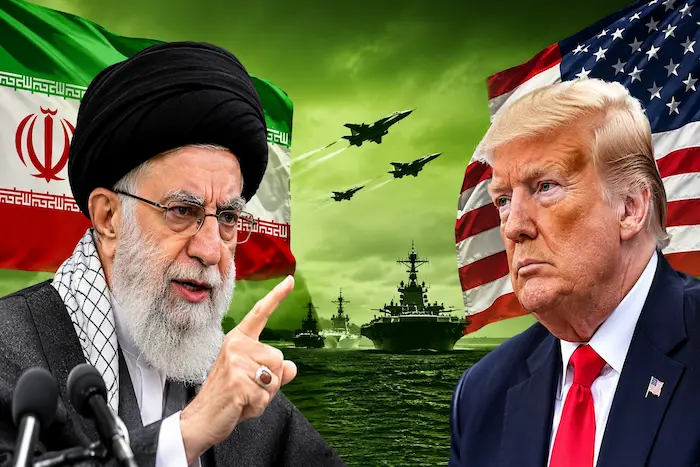
Key Insights
- Diplomatic pressure—Tehran has tied the reopening of the Strait of Hormuz to the acceptance of its conditions by the Americans.
- Military uncertainty—Washington prefers negotiations but continues to leave military action available.
- Energy implications—Continued restrictions around Hormuz could prolong uncertainty for international oil and gas transportation.
Iran has given the White House two days to accept its latest peace proposal, warning of renewed military confrontation if Washington rejects the conditions. Foreign Minister Abbas Araghchi said Tehran would reopen the Strait of Hormuz within 48 hours if the United States agrees to end hostilities across all fronts and lift its blockade on Iranian ports.
Araghchi gave the warning on Sunday, November 8 in a statement posted on X. He told Washington to pick diplomacy over another clash. His words show the rising pressure, on both sides as talks continue to fail in reaching a deal.
The proposal also addresses sanctions, frozen Iranian assets and the future of regional military operations. However, Washington has questioned Tehran’s demands, leaving diplomatic efforts without a clear breakthrough.
🚨BREAKING:Iran warns White house has 2 days to accept its latest peace proposal and warns its forces will “rain down hell” if the White House chooses war.
Foreign Minister Abbas Araghchi said Iran would reopen the Strait of Hormuz within two days if Washington meets Tehran’s… pic.twitter.com/9uyVKJXDjr
— Coin Bureau (@coinbureau) November 9, 2026
Tehran sets conditions for reopening the Strait of Hormuz
Araghchi reiterated that Iran’s two-day proposal remains available to the United States. Under the proposed arrangement, Washington must first satisfy several conditions before Tehran restores shipping access through the Strait of Hormuz.
The Iranian foreign minister outlined the conditions in his social media statement. He said Washington must agree to an end to fighting across all fronts. The United States must also lift its naval blockade against Iranian ports and address outstanding financial restrictions.
Iran’s proposal reportedly includes several additional requirements.
- Lifting American sanctions against Iran.
- Unfreezing Iranian money in foreign countries.
- Cutting down on the presence of American forces in the area.
- Ending hostilities across all active conflict fronts.
- Restoring commercial shipping through the Strait of Hormuz.
Tehran expects Washington to address the initial requirements during the first day. Iran would then reopen the strategic waterway on the second day.
Nevertheless, the proposal also leaves several complicated issues for subsequent negotiations. Those include the nuclear program in Iran and broader issues of security in the region.
The Strait of Hormuz is at the heart of the conflict because the it is vital to the world energy supply. A long break could affect oil shipments, energy prices and commercial shipping costs.
Washington questions prospects of a diplomatic breakthrough
Despite Tehran’s renewed proposal, American officials have expressed limited confidence in the negotiations. Secretary of State Marco Rubio addressed the situation on Sunday before travelling to France.
Rubio said Washington had received different proposals through several countries. However, he dismissed suggestions that both governments stood close to reaching an agreement. He described Iran’s demands as unacceptable and questioned their practical feasibility. Rubio added that President Donald Trump preferred diplomatic solutions whenever possible.
He did, however, say that Washington would look at other alternatives if talks did not go well. His remarks indicate that Tehran’s requirements aren’t acceptable to American authorities until significant changes are made.
In a CNN interview Trump also discussed the prospect of further military action. He added that future strikes would be based on Iran signing a “strong agreement. But Trump said he didn’t think a war was likely with another military conflict. He also asserted that previous attacks by the United States had severely reduced Iran’s military strength.
Trump maintained that American forces remained prepared to resume operations if necessary. His comments therefore offered a degree of reassurance without removing the possibility of further escalation.
Election results complicate negotiations and regional security
Araghchi also connected the diplomatic stalemate to recent American midterm election results. He told Iranian state media that negotiations had experienced little progress since the results emerged.
According to the foreign minister, mediators had reduced their diplomatic travel in recent days. He attributed the slowdown to uncertainty surrounding the American political situation.
Araghchi argued that Washington needed time to assess the election outcome. He also raised doubts about whether U.S. leaders would engage in diplomacy or resume military action.
The foreign minister said Tehran is ready for various scenarios. He stated Iran has improved the quality of its armaments, reactivated military shortcomings, and tried out new types of hardware. The remarks bolster Tehran’s stance that its military preparedness is a negotiating tactic. Building trust between the two governments is also hindered by them.
Qatar continues to play an important mediation role between Washington and Tehran.It has played a role in facilitating indirect discussions and communications between both sides regarding proposals.
The negotiations have involved several rounds of diplomatic engagement since September. However, neither government has announced an agreement capable of resolving the central disagreements.
The energy markets remain uncertain.
It isn’t a stand-off limited to the military or diplomacy. The Strait of Hormuz is an important route for the transportation of oil and gas from abroad.
The waterway restrictions may affect energy transport and cause uncertainty in the global markets. Therefore, the result of the negotiations is still very relevant for energy-importing nations and international shipping companies.
If an agreement is reached for reopening, it might help to reestablish trust between shipping companies and decrease concerns of further supply shortages. But if the dispute continues, it could drag on uncertainty over regional trade and energy transportation.
Developments that will determine the next phase of the negotiations.
- The American response will establish whether Washington considers Tehran’s conditions negotiable.
- Qatar’s mediation could determine whether both governments return to meaningful discussions.
- Strait of Hormuz access will remain a central measure of progress toward de-escalation.